
When to Install New Gutters vs. Replace Existing Ones on Your Home
Homeowners seeking to understand when to install new gutters versus replacing existing ones can benefit from local contractors who specialize in gutter installation and replacement services.
Understanding when to install new gutters versus replacing existing ones is a common concern for property owners looking to protect their homes effectively. If you notice persistent leaks, extensive rust, or significant damage to your current gutters, it might be time to consider a full replacement. Conversely, if your existing gutters are relatively intact but show signs of minor wear or clogging, a professional installation of new gutters could be a practical solution. Property owners in the area often explore this topic to ensure their homes stay protected from water damage, especially during heavy rainfalls or seasonal changes. Exploring options with local contractors can help determine the best approach for your specific situation, ensuring your home remains well-maintained and functional.
Deciding between installing new gutters or replacing existing ones often hinges on the severity of the damage and the overall condition of the current system. For example, if gutters are sagging, pulling away from the house, or have extensive corrosion, replacement is typically recommended. On the other hand, if the existing gutters are still structurally sound but need upgrades or better functionality, adding new gutters might be the way to go. Many property owners seek guidance on this topic to make informed decisions that protect their investment. Connecting with local service providers who specialize in gutter installation can provide valuable insights and help ensure the right choice is made for your home’s needs.
- When to install new gutters vs. replace existing ones on your home - Local contractors recommend installing new gutters when current systems are outdated or damaged beyond repair.
- When to install new gutters vs. replace existing ones on your home - Service providers suggest replacing gutters if they show signs of severe corrosion, sagging, or persistent leaks.
- When to install new gutters vs. replace existing ones on your home - Professionals advise installing new gutters if existing ones are improperly sized or installed, causing water drainage issues.
- When to install new gutters vs. replace existing ones on your home - Local pros often recommend replacement when the existing system has reached the end of its lifespan and repairs are no longer effective.
- When to install new gutters vs. replace existing ones on your home - Experts can assess whether installing new gutters or replacing old ones is best based on the condition and age of the current system.
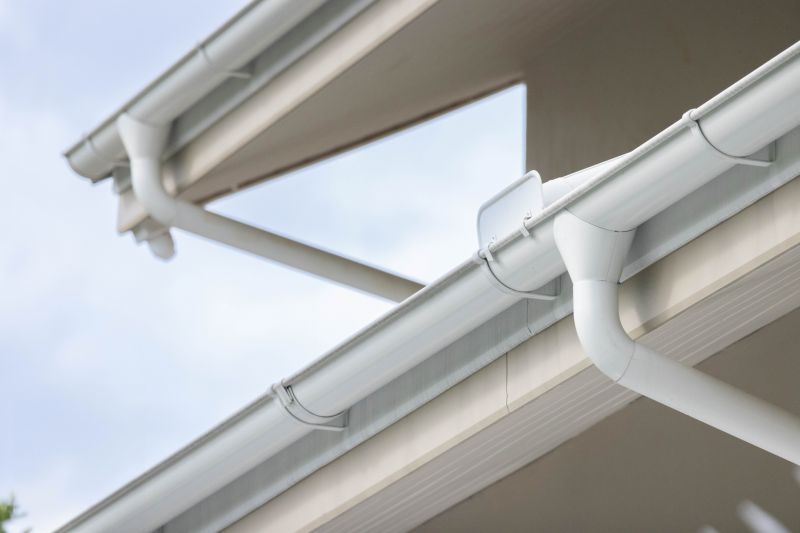
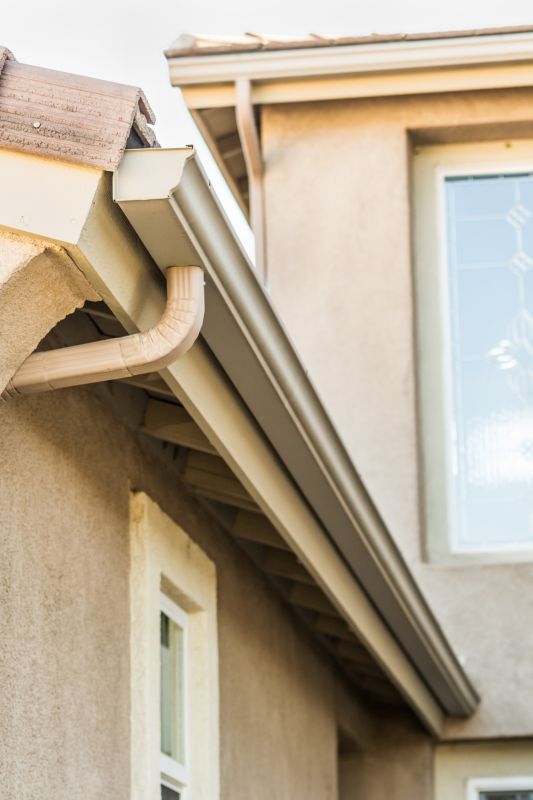
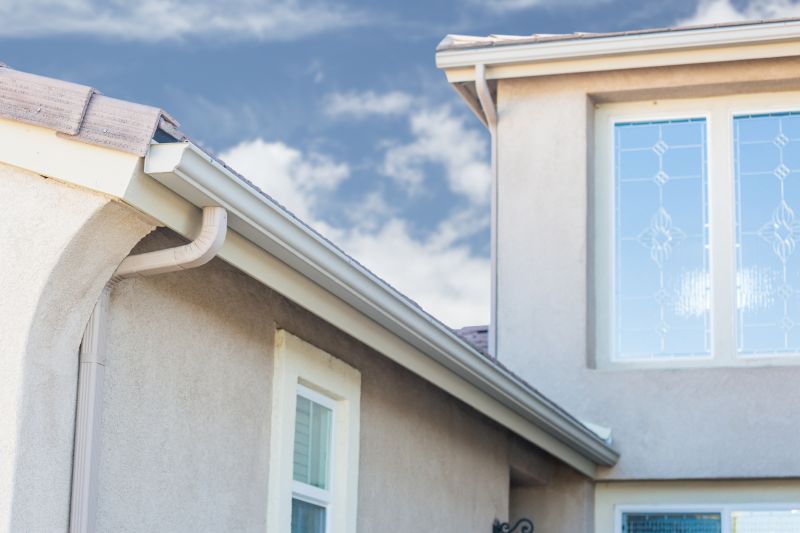
When homeowners search for when to install new gutters vs. replace existing ones on their home, they are typically trying to determine the most appropriate solution for ongoing or recent issues with their current gutter system. This question often arises during property upgrades, after experiencing drainage problems, or when gutters have reached the end of their lifespan. Homeowners may be planning to improve water management, prevent foundation damage, or simply enhance curb appeal. Understanding the difference between installing new gutters and replacing old ones helps property owners make informed decisions that align with their maintenance goals and the condition of their home’s exterior.
The decision to install new gutters or replace existing ones usually relates to specific problems or future plans for the property. Common issues prompting replacement include persistent leaks, sagging, rust, or significant damage from storms or debris. If gutters are severely warped or detached from the fascia, replacement might be necessary. Conversely, if the current system is still structurally sound but outdated or mismatched with new roofing or siding, installing new gutters can be a practical upgrade. This topic also ties into plans for home renovations, such as adding gutter guards or upgrading to larger capacity systems to handle increased rainfall. Local contractors can evaluate the existing setup and recommend the best course of action based on the property’s specific needs.
Properties that typically come into focus when considering new gutter installation versus replacement include both older homes and newer constructions. Older homes often have gutters that have endured years of weather exposure, leading to rust, cracks, or detachments, making replacement the more reliable choice. Newer homes, especially those with modern roofing or siding, might benefit from installing new gutters that match current building standards and aesthetic preferences. Additionally, properties in areas prone to heavy rainfall or storm activity may require more durable or higher-capacity systems, which can involve both replacement and new installation. Local service providers are equipped to assess these property types and recommend solutions that ensure optimal water management and long-term performance.
Understanding when to install new gutters versus replacing existing ones is a practical consideration that connects directly to ongoing property maintenance and improvement projects. Homeowners should consider the age, condition, and performance of their current gutter system, along with their future plans for the home. Replacing old, damaged, or outdated gutters can prevent more costly repairs down the line, while installing new gutters might be the best choice when upgrading to more efficient or aesthetically pleasing options. Local contractors who specialize in gutter services can evaluate each property’s unique situation, providing guidance on the most effective approach. This helps ensure that the gutter system functions properly, protects the home, and complements the overall exterior design.
Gutter repair services - repair projects often require similar skills and tools as gutter installation or replacement, making them relevant for those considering when to install new gutters vs. replace existing ones on your home.
Roofing services - roofing projects involve planning and safety measures that align with gutter work, especially when gutters are integrated with roofline maintenance or replacement decisions.
Siding installation and repair - siding projects require precise planning and tools, paralleling the work needed for gutter installation and understanding when existing gutters may need replacement.
Downspout installation services - downspout work is a component of gutter systems, and local contractors can assist in upgrading or replacing gutters based on the condition of downspouts and overall system integrity.
Exterior home improvement projects - general exterior upgrades often involve planning for gutter systems, making them relevant for understanding when to install new gutters vs. replacing existing ones on your home.
Drainage system services - drainage projects focus on water management similar to gutters, and professionals can evaluate existing systems to advise on replacement or new installation needs.
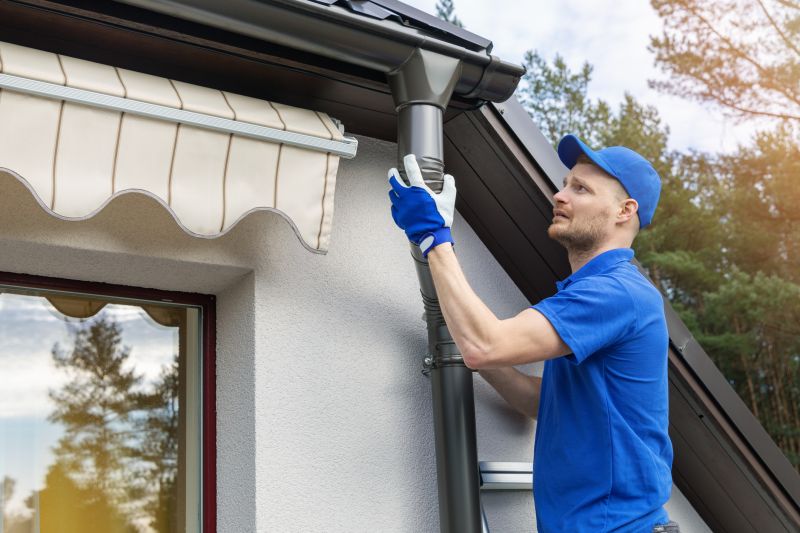
When evaluating service providers for new gutter installation or replacement, it is important to consider their experience with similar projects. Homeowners should inquire about the types of homes and gutter systems the contractors have worked on to ensure they have relevant expertise. A contractor’s familiarity with different gutter materials, styles, and installation techniques can influence the quality and longevity of the work. Additionally, checking references or reviews from previous clients can provide insight into their track record of successful projects, especially those comparable in scope or complexity. This background helps homeowners gauge whether a contractor has the practical knowledge needed to handle specific considerations related to when to install new gutters versus replacing existing ones.
Clear, written expectations are essential when comparing local contractors for gutter work. Homeowners should seek detailed proposals that outline the scope of work, materials to be used, and any specific steps involved in the installation or replacement process. Having this information in writing helps prevent misunderstandings and ensures that everyone is aligned on project goals. It also allows homeowners to evaluate whether the contractor’s approach is appropriate for their particular situation-such as whether existing gutters can be repaired or if a full replacement is necessary. Good communication from the outset can streamline the process and contribute to a satisfactory outcome.
Reputable references and effective communication are key factors in choosing a reliable service provider. Contractors who are transparent about their work history and willing to share references demonstrate professionalism and confidence in their abilities. Homeowners should also pay attention to how well the contractor communicates during initial interactions-promptness, clarity, and responsiveness can indicate how smoothly the project will proceed. Since decisions about when to install new gutters versus replacing existing ones can depend on specific conditions, working with a contractor who provides clear guidance and listens to homeowner concerns can help ensure the right solution is implemented efficiently and effectively.
Property owners often search for when to install new gutters vs. replace existing ones on your home when they are planning practical projects around their homes and businesses. Local pros provide New Gutters Installation services for everyday jobs and straightforward project options.
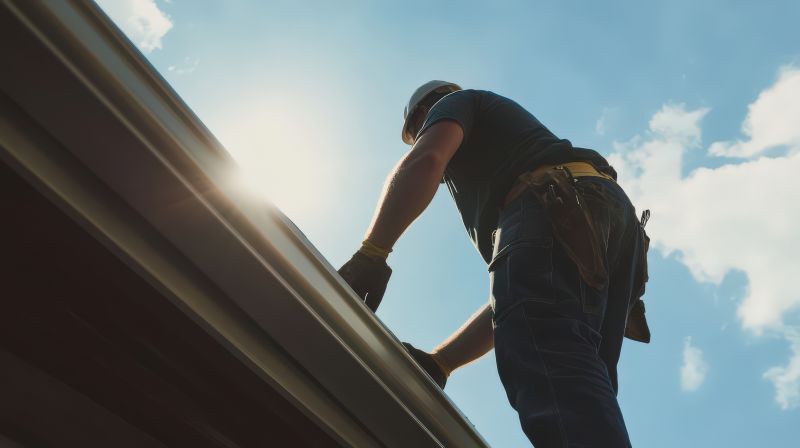
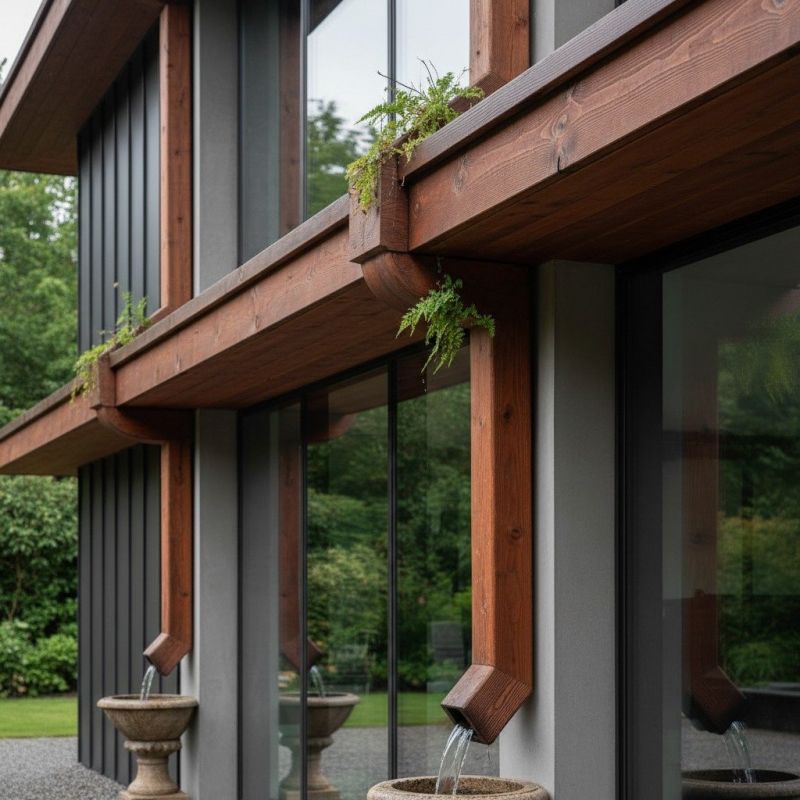
Understanding when to install new gutters versus replacing existing ones is a common concern for property owners looking to maintain their home's exterior. If gutters are showing signs of significant damage, such as extensive rust, sagging, or persistent leaks that cannot be repaired, local contractors often recommend a full replacement to ensure proper water flow and prevent further issues. Conversely, if the current gutters are relatively intact but have minor issues like clogged or misaligned sections, installing new gutters might be a straightforward solution that restores functionality without the need for complete removal.
Many property owners seek out new gutters installation services when upgrading their home’s drainage system or addressing outdated, worn-out gutters that no longer perform effectively. Service providers can assess the condition of existing gutters and determine whether a replacement is necessary or if repairs could suffice. This helps ensure that the home remains protected from water damage, especially in areas prone to heavy rainfall or seasonal storms. Consulting with local contractors can provide clarity on the best approach based on the home's specific needs and the condition of the current gutter system.
How can I tell if my existing gutters need to be replaced instead of just repaired? Signs such as persistent leaks, extensive rust, sagging, or damaged sections indicate that replacing existing gutters may be necessary instead of installing new ones.
When is it better to install new gutters rather than replacing existing ones? Installing new gutters is often recommended when the current system is outdated, severely damaged, or no longer functioning properly, making replacement more practical than repairs.
What factors determine whether to install new gutters or replace existing ones on a home? The condition of the current gutters, age, extent of damage, and overall performance are key factors that help determine whether to install new gutters or replace existing ones.
Can local contractors handle both installing new gutters and replacing existing ones? Yes, local service providers typically offer both installation of new gutters and replacement services, helping homeowners choose the best option based on their specific needs.
How do I know if my home needs new gutter installation or just a repair? A professional assessment can identify whether repairs are sufficient or if a full replacement and new gutter installation are necessary, especially when damage is widespread or gutters are very old.
Assessing gutter condition - inspecting existing gutters for rust, cracks, or sagging can help determine if replacement is necessary or if new gutters can be installed over existing ones.
Considering home updates - planning a roof or exterior renovation may be an ideal time to install new gutters, ensuring they match new siding or roofing materials.
Evaluating gutter lifespan - understanding the typical lifespan of current gutters can guide whether to replace them entirely or simply upgrade with new installations from local contractors.
Addressing drainage issues - persistent water runoff or pooling around the foundation may indicate the need for new gutter installation to improve overall drainage management.
If you are thinking about when to install new gutters vs. replace existing ones on your home for a property, this guide is meant to help you understand this topic, the typical project types, and how different options might fit your plans.
When you are ready, you can use the quote form on this page to share a few details about your project. From there, local pros can review the basics and follow up with options that match what you have in mind.